
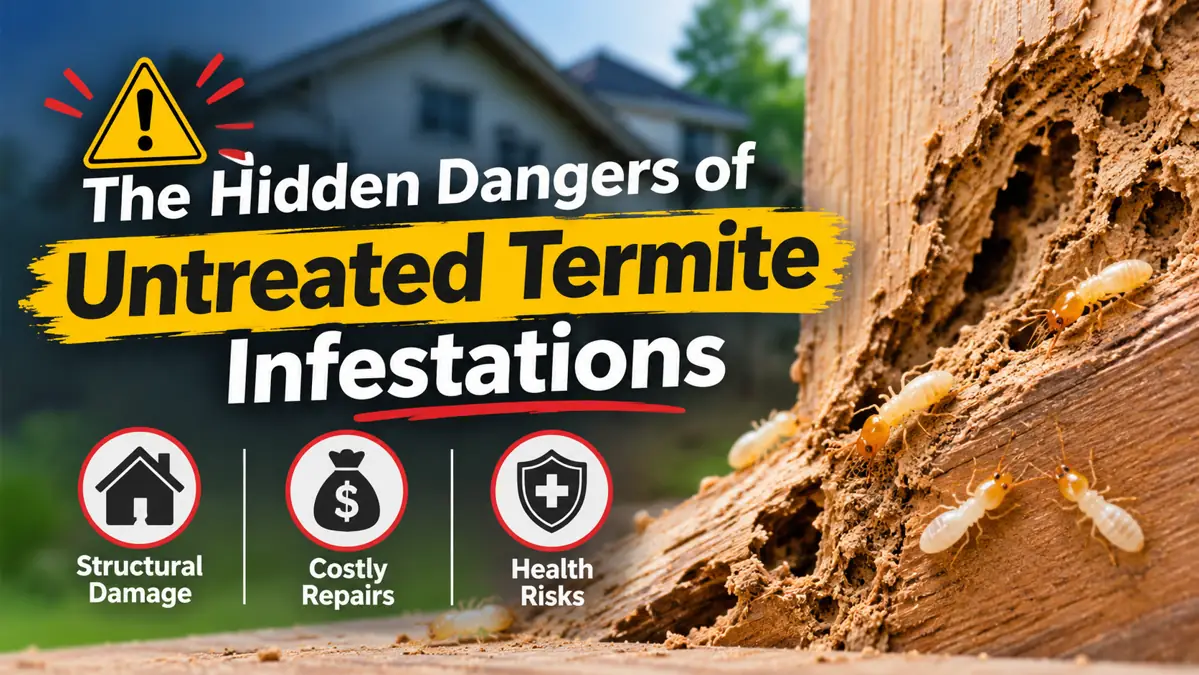
The Hidden Dangers of Untreated Termite Infestations are easy to miss. Termites work quietly behind walls, under floors, and inside wooden frames. By the time you see a problem, the damage may already be serious. In Dubai’s warm climate, homeowners, landlords, and tenants can all be affected.
This guide explains the dangers of termites, the signs to watch for, and the steps that protect your property. It also shows how professional termite control works. At Eco Guardians, we help families and businesses across the city with trusted Pest Control Dubai services. We have seen how a small problem turns into a big bill when nobody acts.
Read on to learn how to spot trouble early and keep a termite-free home.
What Are the Hidden Dangers of Untreated Termite Infestations?
The Hidden Dangers of Untreated Termite Infestations come from one simple fact. Termites never stop feeding. They eat wood day and night, and most of the damage stays out of sight. A single untreated termite infestation can weaken your home from the inside while it looks perfectly normal on the outside.
Here are the main risks in short:
- Structural damage: weakened beams, floors, and frames.
- Financial loss: costly termite repairs and lower property value.
- Health concerns: mold, allergies, and poor indoor air quality.
- Safety risks: compromised stability in severe cases.
- Lost time: a hidden termite infestation can run for months or years.
Let’s look at each one. First, we need to understand the pest itself.
Termites: The Silent Destroyers
Termites are small wood-eating insects. Many experts call them silent destroyers because they cause damage quietly. They feed on cellulose, which is found in wood, paper, cardboard, and other plant-based materials. In nature, termites help break down dead wood. Inside your home, they become wood-destroying insects that cause real harm.
A termite colony can hold thousands, or even millions, of insects. Each colony has workers, soldiers, and reproductive members. Workers do the feeding. Soldiers guard the nest. Reproductive members grow the colony and send out swarmers to start new ones.
Types of Termites: Subterranean vs. Drywood Termites
Knowing the types of termites helps you choose the right termite treatment. The two most talked-about groups are subterranean termites and drywood termites.
| Feature | Subterranean Termites | Drywood Termites |
| Where they live | Underground colonies in soil | Inside dry wood |
| Moisture need | High, they need damp conditions | Low, they live on the moisture in wood |
| Common signs | Termite mud tubes, damaged wood | Termite frass, small kick-out holes |
| Where they strike | Foundations, walls, wooden bases | Door and window frames, furniture, wood siding |
| Risk level | Often the most destructive | Slower, but still serious |
| Typical treatment | Soil treatment, bait stations, barriers | Local treatment, fumigation, wood treatment |
Subterranean termites build pencil-width tubes from mud to travel safely. Drywood termites push out tiny hexagonal pellets, called frass, from their galleries. Both groups cause wood damage from termites, and both need prompt attention.
The Termite Lifecycle in Simple Words
The termite lifecycle starts with an egg. Eggs hatch into young termites called nymphs. Nymphs grow into workers, soldiers, or winged reproductive termites. These winged termites are also called swarmers or winged alates. Every year, mature colonies release them in a swarming season. Once swarmers land, they shed their wings and look for a place to build a new nest.
This cycle matters for homeowners. Every swarm can start a new colony close to your property.
Why Termites Thrive in Dubai Homes
Many people think Dubai’s desert climate keeps termites away. That is a risky belief. Termites need food, shelter, and moisture. Modern Dubai villas and apartments can provide all three. Garden irrigation, AC condensation, leaking pipes, and wet soil near foundations all create termite-friendly conditions.
In short, moisture and termites go together. Wherever water collects near wood or soil, termite activity can follow. Wooden doors, frames, cabinets, and built-in furniture add plenty of food. If you live in a villa with a garden, your risk can be higher because of watering and landscaping.
Professional Pest Control Dubai providers see these patterns often. They know the local building styles, soil, and moisture sources. That local knowledge helps them find problems faster and treat them more safely.
Common Dubai Moisture Sources
- Garden irrigation near the villa wall
- AC condensate pipes dripping near the foundation
- Leaky pipes behind kitchens and bathrooms
- Poor drainage around the building
- Poor ventilation in storage rooms and crawl spaces
- Wooden debris, lumber, and firewood stored near the house
Fixing these issues is the first step in termite prevention.
Structural Dangers: Termite Damage to Homes
The biggest of the hidden dangers of termites is structural damage. Termites do not need to destroy a whole house to cause trouble. They only need to weaken the key parts that hold it up. Structural damage from termites often grows quietly until the weak spot gives way.
The Pest Control Dubai team at Eco Guardians often finds damage in places homeowners never think to check.
Weakened Foundation and Structural Integrity
Subterranean termites can reach wooden parts connected to the foundation. They may also travel through cracks in concrete. Over time, a weakened foundation can reduce the structural integrity of the whole building. Foundation cracks give termites easy access, so small cracks should never be ignored.
Termite Damage in Walls
Termite activity in walls is very hard to see. Termites eat wall studs and wooden supports from the inside out. The paint may look fine. Yet the wood behind it can be thin as paper. Bubbling paint, soft spots, and tiny holes can all point to termite damage in walls.
Termite Damage to Floors
Termite damage to floors often shows up as sagging, buckling, or squeaking boards. Hardwood floors and wooden subfloors are common targets. If a floor feels spongy, there may be an active termite colony underneath.
Termite Damage to Roof Structures
Roof structures with trusses and rafters can also suffer. Damaged beams and support beams may lead to roof leaks. Leaks bring more moisture into the building, and that attracts even more termites. This cycle can lead to costly repairs, energy inefficiency, and temperature control issues, since damaged insulation and roof layers lose their effect.
Termite Damage to Furniture, Doors, and Frames
Termite damage to furniture is often the first thing people notice. Wardrobes, bookshelves, and wooden beds can all be hit. Door and window frames and wood siding are also common targets, especially for drywood termites. If you find a hollow, papery piece of wood, act fast.
In extreme cases, termites can lead to collapse of weakened parts. This is rare, but it shows why waiting is never a good idea.
Financial Dangers: Costly Termite Repairs and Lost Value
The financial burden of an untreated termite infestation can surprise even careful owners. Treatment is usually far cheaper than repair. The longer you wait, the larger the bill grows.
According to the National Pest Management Association (NPMA), termites cause over $5 billion in damage each year in the United States. That is a U.S. figure, not a Dubai one. Still, it shows how expensive these small insects can be.
Where the Money Goes
| Cost Area | What It Means for You |
| Termite damage repair | Replacing beams, wall studs, flooring, doors, and frames |
| Repainting and finishing | Fixing walls, ceilings, and wood surfaces after repairs |
| Treatment cost | Termite extermination, bait stations, or liquid termite treatment |
| Furniture replacement | Wardrobes, beds, and cabinets that cannot be saved |
| Lost rent or downtime | Rooms or units that cannot be used during repairs |
| Decreased property value | A drop in resale value and market value |
Decreased Property Value
A termite history can scare off buyers. Even after extermination, some buyers worry about hidden damage. A home value decrease can follow, and the sale may take longer. Regular records of termite inspection and treatment can protect your investment. They show future buyers that you cared for the property.
Insurance Coverage
In some countries, standard home insurance does not cover termite damage. Many policies treat it as a maintenance issue. In the UAE, coverage depends on your policy and provider. Check your policy wording and ask your insurer directly. Do not assume you are covered.
Long-Term Savings from Early Action
Early intervention saves money. A yearly termite inspection costs far less than major repairs. Professional pest control services can also reduce repeat problems. That means long-term savings and better investment protection.
Health Risks and Safety Concerns
Termites do not usually spread diseases to people. They do not bite like mosquitoes or ticks. Still, health risks from an untreated termite infestation are real, and they come from the side effects.
- Mold growth: Damp wood and leaks attract termites. They also help mold grow. Mold spores can float through the air.
- Allergies and asthma: Airborne particles from mold, dust, and old nests can irritate the nose and lungs.
- Respiratory problems: People with asthma or weak lungs may feel worse in damp, moldy rooms.
- Poor indoor air quality: Dust from damaged wood and droppings can lower air quality.
- Safety risks: Weak floors, stairs, and shelves can fail without warning.
If someone in your home has allergies or breathing issues, take any sign of termites seriously. Also pay attention to the way you treat the problem. Safe pest control with low-risk methods is best for families and pets. Eco-friendly termite treatment options are worth discussing with your provider.
Signs of Termite Infestation: What to Look For
Learning the signs of termite infestation is your best defense. Most damage happens in hidden spaces. That is why early signs of termites matter so much. Look closely at wood, walls, and corners, and check them often.
Termite Mud Tubes
Termite mud tubes are thin tunnels made of soil and saliva. They are usually about the width of a pencil. Subterranean termites build them along walls, foundations, and pipes. The tubes protect the termites from dry air. If you see one, break a small piece off. Fresh mud soon after can mean the colony is active.
Hollow-Sounding Wood
Tap wooden surfaces with a screwdriver handle. Healthy wood sounds solid. Hollow-sounding wood can mean termites have eaten the inside. This is one of the most common signs of wood damage from termites. You might also see grooves, tiny holes, or a honeycomb pattern inside the wood.
Discarded Wings and Termite Swarmers
Flying termites, also called swarmers, appear in swarming season. After mating, they drop their wings. Piles of discarded wings near windows, doors, or lights are a clear warning sign. They often mean a colony is close by or even inside the home.
Termite Droppings and Frass
Drywood termites push out termite droppings called frass. It looks like small wood-colored hexagonal pellets. You may find it in neat little piles under infested wood.
Termite droppings vs. sawdust: Sawdust is soft and uneven. Frass is firm, six-sided, and similar in size. If you find piles of tiny pellets, call for a termite inspection.
Other Early Warning Signs
- Bubbling or peeling paint
- Doors and windows that suddenly stick
- Soft or sagging floors
- Sounds of faint clicking inside walls
- Small holes in wooden items
- Tiny cracks in plaster or walls
- Damp spots that do not dry
If you notice any of these warning signs, act immediately. Quick action can save you from major repair costs.
How the Hidden Dangers of Untreated Termite Infestations Grow Over Time
The Hidden Dangers of Untreated Termite Infestations do not stay the same. They grow, because the colony grows. A young colony eats little. A mature colony can eat much more and may spread to other parts of the building. This makes infestation severity and infestation extent critical to measure early.
| Stage | What Is Happening | What You May Notice |
| Early stage | Small colony, little damage | Almost nothing, or a few swarmers |
| Growing stage | Colony expands, feeding increases | Mud tubes, hollow wood, frass |
| Advanced stage | Large colony, wide damage | Sagging floors, damaged walls, stuck doors |
| Severe stage | Major structural damage | Compromised stability, expensive repairs |
Termite damage develops slowly. Yet a large and active colony can cause serious harm before anyone finds it. That is why a regular termite inspection is so valuable. A trained inspector can find termite activity that you cannot see.
Notice also how one problem leads to another. Termites cause leaks. Leaks add moisture. Moisture causes wood rot, wood decay, and more termites. Water damage and termite damage often feed each other.
Lessons from Texas: Why Early Detection Matters
Pest experts in other regions share the same message. In a post dated Jul 18, 2024, Killum Pest Control Inc. explained how termites affect homes in Texas, also known as the Lone Star State. The company highlighted subterranean and drywood termites, as well as early detection and regular professional inspections.
Specific Home Services makes a similar point. It says ignoring termites can reduce property value, damage structure, and add health risks. It also encourages annual inspections and moisture control.
The lesson works anywhere, including Dubai. Climate and building styles differ. But the logic is the same. Find termites early, fix moisture, and use trained professionals.
DIY Termite Control vs. Professional Termite Control
Many owners try DIY termite control first. Store-bought sprays seem cheap and easy. However, they rarely reach the colony or the nest. They may kill a few visible termites, while the main colony survives. The damage then continues in the background.
| Factor | DIY Termite Control | Professional Termite Control |
| Reach | Surface only | Soil, walls, and hidden areas |
| Tools and expertise | Limited | Trained team and special equipment |
| Colony elimination | Unlikely | Targeted, planned treatment |
| Safety | Risk of misuse | Safe and effective methods |
| Follow-up | None | Ongoing monitoring and warranty |
| Long-term result | Often temporary | Long-term termite protection |
DIY products can help as a small short-term step. But they are not a replacement for a trained termite exterminator. If you see signs of active termites, it is best to get professional advice.
Termite Treatment Options Used by Professionals
Good termite control starts with an accurate assessment. The best treatment depends on the type of termite, the size of the infestation, and the layout of the building. A customized treatment plan will always work better than a one-size-fits-all approach.
Step 1: Professional Termite Inspection
A professional termite inspection is the best first step. A trained technician checks the foundation, walls, floors, roof areas, crawl space, attic, and outdoor areas. They look for mud tubes, frass, damaged wood, and moisture problems. They also use tools such as moisture meters to measure wood moisture content.
A good inspection report explains what was found, where it was found, and what to do next.
Step 2: Choose the Right Treatment
| Treatment Option | How It Works | Best For |
| Liquid termite treatment | Liquid termiticides are applied to soil and key areas to form a protective zone | Subterranean termites around foundations |
| Termite bait stations | Termite baits are placed in the ground. Workers carry the bait back to the colony | Long-term colony reduction |
| Termite barrier treatment | A chemical or physical barrier blocks termites from entering | Prevention before or during construction |
| Soil treatment | Treated soil around the building stops termites reaching the structure | New or existing buildings |
| Fumigation | Gas treatment for the whole building | Severe drywood termite problems |
| Spot or wood treatment | Direct treatment of infested wood, or use of treated wood | Small, local infestations |
Some cases need a mix of methods. For example, a villa may need liquid termiticides in the soil plus bait stations around the garden. Your termite exterminator should explain why each method is used.
Step 3: Ongoing Monitoring and Warranty
Treatment is not the end. Ongoing monitoring helps catch new activity early. Ask about a termite warranty and what it covers. Ask how often follow-up visits will happen. A trusted provider will give clear answers.
Termite Inspection Cost and Treatment Cost
Termite inspection cost and treatment cost vary. They depend on property size, termite type, treatment method, and the extent of the damage. Always ask for a written quote. Compare what is included, not only the price. A cheap treatment with no follow-up can cost more in the long run.
8 Proven Ways to Reduce the Hidden Dangers of Untreated Termite Infestations
Prevention is easier than repair. These eight steps are simple and practical. They are also the foundation of strong termite prevention for any home or business.
1. Schedule an Annual Termite Inspection
Book an annual termite inspection with a licensed provider. Regular inspections find hidden problems before they spread. If your home is older, or if you have had termites before, consider more frequent checks.
2. Eliminate Moisture
Fix leaky pipes. Repair AC drips. Keep gutters and downspouts clear where they exist. Good moisture control removes the damp conditions that termites love. Use dehumidifiers in humid rooms.
3. Improve Drainage and Ventilation
Make sure water drains away from the foundation. Improve ventilation in the crawl space, storage rooms, and attic. Poor drainage and poor ventilation create the humidity that termites need.
4. Avoid Wood-to-Ground Contact
Wood-to-ground contact gives termites a direct path into the structure. Keep wooden posts, fences, and planters off the soil when possible. Use treated wood or other materials in high-risk places.
5. Store Firewood and Lumber Properly
Keep firewood, lumber, and wooden debris away from the building. Texas-based guidance from Killum Pest Control Inc. suggests storing wood at least 20 feet from the foundation and off the ground. Even if you live in a very different climate, this is a smart rule.
6. Manage Landscaping and Mulch
Keep mulch and vegetation at least 12 inches away from the foundation. Thick mulch holds moisture and hides termite activity. Careful landscaping reduces both moisture and cover.
7. Seal Entry Points and Cracks
Seal entry points and seal cracks around foundations, windows, doors, and utility lines. Sealing gaps blocks easy routes for termites. Check pipe openings and expansion joints, too.
8. Use Barrier and Bait Systems
Termite barriers and bait stations add another layer of long-term termite protection. They are especially helpful for villas, gardens, and commercial properties. A trained provider can design a plan to match your property.
Quick prevention checklist:
- Fix leaks and moisture problems
- Keep wood away from soil and walls
- Seal cracks and gaps
- Control mulch and plants near walls
- Check wooden doors and frames every few months
- Book regular professional inspections
- Keep records of every treatment and visit
Termite Damage Repair: What Happens After Treatment
Treatment stops the termites. It does not fix the damage they caused. Termite damage repair is a separate step, and it may involve a builder or carpenter.
Typical repair work includes:
- Replacing damaged beams, wall studs, and flooring
- Fixing door and window frames
- Repairing wood siding and roof parts
- Treating or replacing infested furniture
- Fixing the moisture source, so the problem does not return
Before starting repairs, make sure the termite activity has been stopped. Otherwise, you will pay to repair the same wood twice. Ask your provider for a written confirmation after treatment.
Learn How Termites Enter Your Property
To stop the hidden dangers, you also need to know how termites get in. Entry points can be small. Cracks, expansion joints, pipe gaps, wooden frames touching soil, and even garden structures can all be routes into a building.
We explain these routes step by step in our guide, How Do Termites Enter Your Home? Common Entry Points Explained: 9 Proven Ways to Stop Costly Damage. It is a helpful companion to this article. Read it next to learn where termites usually enter and how to block each route before an infestation starts.
Together, these two guides give you a clear plan. One shows you the dangers. The other shows you how to close the doors on them.
Why Choose Eco Guardians for Professional Termite Control in Dubai?
Termites are not a job for guesswork. You need accurate inspection, the right treatment, and honest advice. Eco Guardians provides professional pest control services for homes, villas, apartments, and commercial buildings in Dubai.
Here is what you can expect from a trusted provider:
- A careful property inspection and clear assessment
- Safe and effective methods that suit your property
- Options such as bait systems and liquid treatments, based on your needs
- A tailored plan with ongoing monitoring
- Clear communication on cost, timing, and warranty
- Advice on home maintenance and prevention
Whether you manage a single apartment, a large villa, or many units, early help makes the biggest difference.
For general guidance on pest safety and licensed services in Dubai, you can also visit the official Dubai Municipality website.
FAQ’s
What happens if a termite infestation is left untreated?
Untreated termites can cause serious structural damage by continuously feeding on wood, floors, walls, and other parts of a property. Over time, the colony grows, the damage spreads, and repair costs rise. Moisture problems and mold can also develop, so early action is always safer.
How do I know if I have a hidden termite infestation?
Common signs include mud tubes, hollow-sounding wood, discarded wings, termite droppings, and unexplained damage to wooden structures. You may also notice stuck doors, bubbling paint, or soft floors. A professional termite inspection is the best way to confirm it.
Can termites cause serious damage to a house?
Yes. Over time, termites can weaken foundations, walls, floors, beams, and other wooden structures, leading to costly repairs. The damage is often hidden, which is why it can feel sudden when it is finally found.
Are untreated termite infestations dangerous to human health?
Termites do not usually spread diseases, but termite-related moisture and mold can contribute to allergies and respiratory concerns. People with asthma or allergies should be extra careful. Weakened floors and stairs can also create safety risks.
How quickly can termites damage a property?
Termite damage develops gradually, but a large and active colony can cause significant damage before the infestation is discovered. The speed depends on the colony size, termite type, and available wood and moisture.
What is the best way to get rid of a termite infestation?
A professional termite inspection is the best first step. Depending on the infestation, treatment may include bait systems, liquid treatments, or other targeted control methods. A licensed termite exterminator can build a plan that fits your property and then monitor the results.
Conclusion
The Hidden Dangers of Untreated Termite Infestations are real, even if they are quiet. Termites can weaken foundations, walls, floors, and roofs. They can cut your property value and cause expensive repairs. Moisture and mold linked to termites can also affect your health and indoor air quality.
The good news is that you can act. Watch for the signs. Control moisture. Seal cracks. Keep wood away from soil. Most of all, book a professional termite inspection and follow a long-term plan for a pest-free home.
Do not wait until damage appears. Contact Eco Guardians today to schedule an inspection and protect your home with trusted, safe, and effective termite control in Dubai. Early action today can save you stress and money tomorrow.





This Post Has 20 Comments
Can termites cause serious structural damage to a home?
Yes, an untreated termite infestation can cause serious structural damage by weakening wooden foundations, walls, and other parts of a property.
How can I tell if my property has a termite infestation?
Common signs include mud tubes, hollow-sounding wood, damaged furniture, and discarded termite wings.
Can termites spread to other areas of the property?
Yes, without proper termite control, termites can spread through wooden structures and affect multiple areas of your property.
How quickly should a termite infestation be treated?
A termite infestation should be treated as soon as possible to prevent further termite damage and costly repairs.
Does moisture increase the risk of termite infestations?
Yes, moisture and water leaks can create favorable conditions that increase the risk of a termite infestation.
Can I get rid of termites with DIY treatments?
DIY methods may provide temporary relief, but professional termite treatment is more effective for eliminating hidden colonies.
Can termites damage furniture as well as buildings?
Yes, termites can damage wooden furniture, doors, flooring, and structural components of a building.
Are termites difficult to detect in the early stages?
Yes, termites are often difficult to detect early because they can cause hidden damage inside wood and walls.
Can regular inspections help prevent serious termite damage?
Yes, regular termite inspections help detect infestations early and prevent severe termite damage.
Is professional termite treatment worth the cost?
Yes, professional termite treatment can help prevent extensive property damage and reduce costly repairs caused by an untreated termite infestation.