

Choosing the right Eco-Friendly Curtain Cleaning Methods for Modern Homes is one of the simplest ways to protect your fabrics, your family and your indoor air at the same time. In a city like Dubai, where desert dust, sea humidity, constant air conditioning and strong sunlight all work on your window treatments, curtains collect far more than most people realize. They trap dust, pet dander, cooking residue, smoke residue and allergens, and they do it quietly, while still looking presentable from across the room.
The good news is that eco-friendly curtain cleaning does not require harsh bleach, strong solvents or heavily perfumed sprays. With the right tools, a few pantry staples and a little patience, you can clean curtains naturally, extend their lifespan and keep your home fresh. This guide walks you through nine proven methods, fabric-by-fabric advice, natural stain and odor solutions, a seasonal care calendar and the moments when professional help is the smarter, gentler choice.
If you are already refreshing the rest of your home, our Furniture Cleaning Dubai service pairs well with curtain care, because sofas and drapes collect the same dust and the same allergens.
Why Eco-Friendly Curtain Cleaning Methods for Modern Homes Matter in Dubai
Modern homes tend to be sealed, air-conditioned and filled with soft furnishings. That combination is comfortable, but it means dust has fewer ways to leave. Curtains act as a soft filter near windows and doors, where outdoor pollution, pollen and fine sand enter the room.
Dust, Sand and Humidity: Dubai’s Triple Challenge
Dubai homes face a particular set of conditions:
- Fine desert dust and sand settle on pleats, hems and heavy folds, especially after shamal winds.
- Humidity along the coast (Marina, JBR, Business Bay, Jumeirah) encourages musty odor, mildew and mold spores, particularly in curtains hanging near cooled glass.
- Constant AC airflow pushes dust through the room and deposits it on curtains near vents.
- Intense UV sunlight causes fading, yellowing and brittle fibers over time.
Because these factors repeat all year, a once-and-done approach rarely works. A steady routine of gentle, low-impact care works far better.
Indoor Air Quality and Curtains
Indoor air quality and curtains are more closely connected than most homeowners think. Curtains hold particles that can be released back into the room whenever they are brushed, opened or shaken. The U.S. Environmental Protection Agency explains that indoor pollutants can build up and that source control and good ventilation are central to healthier indoor air. Removing dust and allergens from curtains is a practical form of source control, and doing it with non-toxic methods avoids adding new chemical residue to the same air.
Dust Mite Prevention in Curtains
Dust mites feed on skin flakes and thrive in warm, humid, fabric-rich environments. Heavy drapes and layered window treatments can give them an ideal home. Regular vacuuming, periodic washing at the right temperature, good airflow and keeping humidity under control are the foundations of dust mite prevention in curtains. If anyone in your household has allergies or asthma, these habits matter even more.
What Does “Eco-Friendly” Really Mean for Curtain Cleaning?
Eco-friendly curtain cleaning is not simply a green label or a pleasant scent. It is a measured approach that:
- Uses the least aggressive effective method for each fabric
- Relies on pH-balanced, fragrance-free, non-toxic cleaning solutions
- Cuts lower chemical exposure for people, pets and the environment
- Avoids wasteful processes such as over-washing, excessive water and unnecessary product
- Preserves the fabric so curtains last longer and need replacing less often
That last point is often overlooked. The most sustainable curtain is the one you do not have to throw away. Gentle, fabric-specific care is a core part of sustainable home cleaning because it extends the lifespan of what you already own.
Green Cleaning vs Conventional Cleaning
| Factor | Eco-friendly method | Conventional method |
|---|---|---|
| Cleaning agents | Mild detergent, white vinegar, baking soda, pH-balanced solutions | Bleach, strong solvents, heavy stain removers |
| Chemical exposure | Low | Moderate to high |
| Fragrance | Fragrance-free or lightly scented | Often heavily perfumed fabric refreshers |
| Water use | Targeted, controlled | Often excessive |
| Fabric impact | Gentle, helps prevent fading and shrinkage | Can cause color loss and fiber damage |
| Suitability for kids, pets, allergies | High | Lower |
A word of honesty: the most environmentally gentle option is not always water-based. Some silks, velvets and lined or bonded fabrics are better handled by a specialist process. Eco-friendly means choosing the safest effective method, not simply the one with the greenest-sounding name.
Before You Start: Check Fabric, Care Label and Patch Test
Every cleaning success story starts with the same three steps.
- Check the care label and the manufacturer’s instructions. Not every curtain can be machine washed. Some require dry cleaning, and some should never touch water.
- Identify the fabric and construction. A lined panel may include a face fabric, interlining, blackout backing, header tape, weights, trim and decorative banding, and each of these reacts differently to moisture and heat.
- Run a patch test or spot check. Apply your cleaning solution to a hidden hem or seam, wait a few minutes, blot and check for color bleeding, ring marks or texture change.
Quick Fabric Guide
| Fabric | Best eco-friendly approach | Avoid |
|---|---|---|
| Cotton | Machine wash on gentle cycle, cold water, mild detergent | Hot water (shrinkage) |
| Linen | Hand wash or gentle machine wash in lukewarm water, air dry | Wringing, high heat |
| Silk | Dust gently, spot test, consider professional care | Vinegar, soaking, rubbing |
| Velvet | Vacuum with soft brush, professional care for deep clean | Crushing the pile, heavy water |
| Sheers, voile | Hand wash in cold water, flat or hang dry | Scrubbing, snagging hooks |
| Blackout fabric | Steam at distance, sponge clean with mild detergent | Dryer, heat on backing |
| Bonded lining, interlining | Spot clean or professional care | Soaking, machine agitation |
| Antique lace, heirloom drapery | Professional conservative cleaning | DIY washing |
Your Eco-Friendly Cleaning Toolkit
You do not need a cupboard full of products. A small, well-chosen kit handles most curtain care.
Tools
- Vacuum cleaner with an upholstery attachment or soft brush attachment on low suction
- Steam cleaner or steamer (handheld is ideal)
- Mesh laundry bag to protect panels in a washing machine
- Soft-bristle brush and clean microfiber cloths
- Spray bottle for homemade solutions
- Drying rack or clothesline for air drying
- Feather duster for blinds and curtain rods
- Air purifier to reduce airborne dust between cleanings
Eco-Friendly Cleaning Products and Natural Solutions
The best eco-friendly cleaning products for curtains are simple:
- Mild, biodegradable, fragrance-free detergent for washing
- White vinegar (or white wine vinegar for gentle spot work on sturdy fabrics)
- Baking soda for odor absorption and light stain lifting
- Cool or lukewarm water
- Mild soap for blinds and hardware
These natural cleaning solutions for curtains cover most household needs. For wider home refreshes beyond window treatments, our Furniture Cleaning Dubai team applies the same low-impact philosophy to sofas, chairs and upholstery.
A Simple Homemade Curtain Cleaning Solution
- 2 cups cool water
- 1 cup white vinegar
- 1 teaspoon mild, fragrance-free detergent
Mix in a spray bottle, test on a hidden area, then lightly mist and blot. Never mix vinegar with bleach, and skip it entirely on silk and delicate finishes.
9 Eco-Friendly Curtain Cleaning Methods for Modern Homes, Step by Step
These nine eco-friendly curtain cleaning methods for modern homes move from the lightest and most frequent to the deepest and least frequent. Start with the gentlest option that solves your problem.
Method 1: Vacuuming for Curtain Dust Removal
Yes, you can vacuum curtains, and it is the single best habit for how to remove dust from curtains. It is also the easiest answer to “how do you clean curtains without taking them down?”
Steps
- Attach the soft brush or upholstery attachment and set the vacuum to low suction.
- Pull the curtain gently taut with one hand.
- Work in sections from top to bottom, including the header, pleats and hems.
- Finish by vacuuming the curtain rod, track and windowsill so dust does not fall back onto clean fabric.
Pro tip
Do this every one to two weeks. In Dubai’s dusty seasons, weekly is better. Avoid aggressive brushing on sheers and antique lace, which can snag easily.
Method 2: Shaking Out and Airing
One of the oldest curtain dust removal methods is also one of the most effective for lightweight panels.
- Lightly bunch sheers and shake them gently on a balcony or terrace.
- Hang sturdy curtains outdoors for an hour in the shade to refresh them.
- Keep them out of direct sunlight, which can cause fading and weaken fibers.
A short airing session helps with musty odor without any product at all.
Method 3: Steam Cleaning Curtains
Steam cleaning curtains is a chemical-free way to refresh fabric, relax wrinkles and reduce dust mites and odor. It works especially well on blockout curtains and many heavy curtains.
Steps
- Hang the curtains and check the care label for steam tolerance.
- Hold the steamer a few inches away, so the fabric does not become wet.
- Work from top to bottom in slow, even passes.
- Let curtains dry fully before closing them.
Safety notes
Keep an appropriate steamer distance from silk, velvet and bonded lining, because heat and moisture can distort backings, set stains or crush pile. When in doubt, test a hidden corner or ask a professional.
Method 4: Hand Washing Curtains
Hand washing curtains is the safest home method for sheers, voile, linen and other delicate fabrics.
Steps
- Remove all hooks, rings, wands and pins.
- Fill a tub with cold or lukewarm water and add a small amount of mild, eco-friendly detergent.
- Submerge one panel at a time and soak for 10 minutes.
- Swish gently. Avoid wringing, twisting and scrubbing.
- Rinse in cold water until all detergent residue is gone.
- Lay the panel flat on a clean towel or hang it to dry away from direct sunlight.
A light hand wash can also help with small mold spots and general freshening.
Method 5: Machine Washing Curtains Safely
If you are wondering how to wash curtains at home, the washing machine is fine for sturdy fabrics, provided you follow the care label.
Safe settings
- Remove hardware and fold curtains into a mesh laundry bag.
- Use the gentle or delicate cycle.
- Choose cold water or lukewarm water (for linen, around 104°F or 40°C is a common upper limit).
- Use a mild detergent and do not overload the drum. Wash heavy curtains separately.
- Remove them immediately after the cycle to prevent creasing.
- Air dry on a drying rack or clothesline. If you must use a dryer, choose low heat or no heat.
What not to machine wash
Silk, velvet, bonded lining, interlined panels, antique lace and anything marked “dry clean only”.
Method 6: Vinegar for Curtain Cleaning
Vinegar for curtain cleaning is a popular, low-cost option because it helps lift light soil and neutralize odor. White vinegar is the usual choice, while white wine vinegar is sometimes used for gentle spot work on sheers.
How to use it
- Mix equal parts white vinegar and water in a spray bottle.
- Patch test on a hidden area.
- Lightly mist the affected section and let it sit briefly.
- Blot with a clean cloth, then rinse by dabbing with clean water.
- Air dry.
Cautions
Vinegar can affect certain dyes, finishes and delicate fibers. Never mix it with bleach, and avoid it on silk and some coated blackout backings.
Method 7: Baking Soda for Curtain Cleaning
Baking soda for curtain cleaning is ideal for odor absorption, especially for cooking smell, smoke smell and pet odor.
Dry deodorizing method
- Lay the curtain flat or hang it where it can be lightly dusted.
- Sprinkle baking soda evenly over the fabric.
- Leave for 30 to 60 minutes.
- Vacuum thoroughly with a soft brush attachment.
Paste for small stains
Mix baking soda with a little water to form a paste, dab onto the stain, wait 10 to 15 minutes, then blot and rinse. Always test first on dark or delicate colors.
Method 8: Natural Spot Cleaning and Blotting
Spot treatment is the best answer to how to remove stains from curtains naturally.
- Blot, never rub. Rubbing spreads the stain and damages fibers.
- Use cool water and a drop of mild soap for food stains.
- Use a vinegar solution for light water stains and tide marks on sturdy fabrics.
- Work from the outside of the stain inward to avoid rings.
- Dry with a clean cloth, and do not apply heat until the stain is gone.
Spot clean curtains early. Fresh stains respond far better than old ones.
Method 9: Professional Eco-Friendly Curtain Cleaning
Some situations are better left to experts. Professional drapery cleaning is worth considering for:
- Silk, velvet, heirloom drapery and antique lace
- Lined, interlined and blackout panels with delicate backings
- Large, heavy curtains in villas that are hard to remove safely
- Persistent odor, smoke residue, pet dander or mold
- Move-out, end of lease or pre-sale cleaning
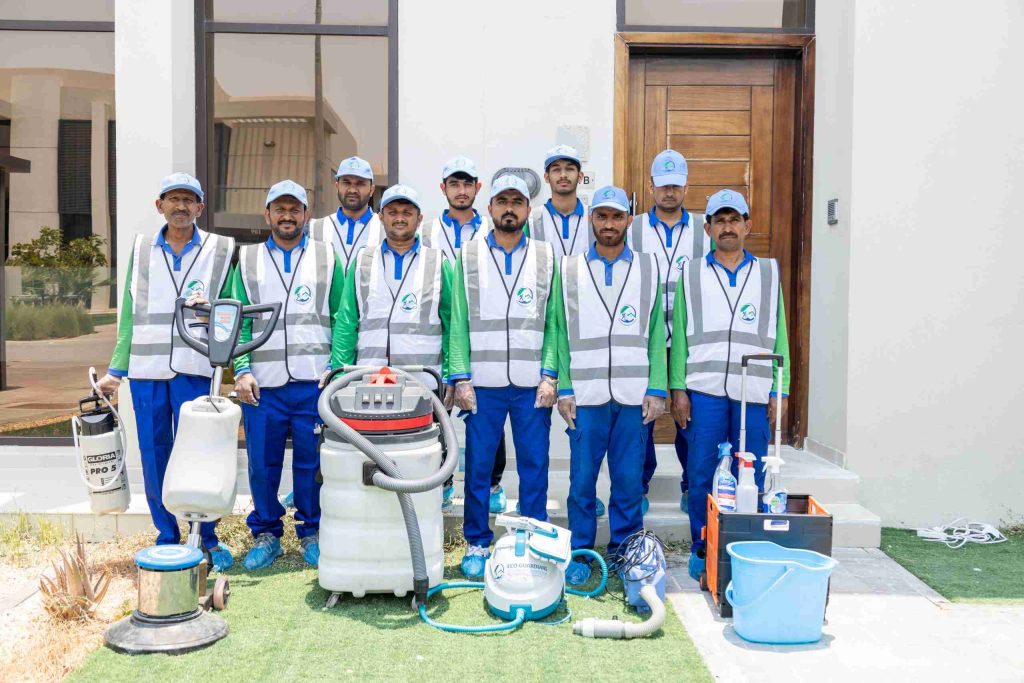
At Eco Guardians, we combine non-toxic, pH-balanced cleaning, careful intake inspection, targeted treatment and precise rehanging. This approach protects fabrics while delivering allergen removal and odor removal without heavy fragrance.
How to Clean Specific Curtain Types Naturally
Different curtains need different care. Here is how to apply the methods above to each type.
How to Clean Sheer Curtains
Sheer curtains and voile are delicate, so keep it light.
- Shake gently to remove surface dust.
- Hand wash in cold water with mild detergent for 10 minutes.
- Blot spots with water and mild soap, then dab with a little white wine vinegar if the fabric allows it.
- Hang to dry in the shade.
If you are asking how to clean sheer curtains without damaging them, the answer is: no wringing, no hot water and no scrubbing.
How to Clean Blackout Curtains
How to clean blackout curtains depends on the backing.
- Steam lightly from a distance to refresh.
- Sponge clean with cold water and mild detergent.
- Rinse with a clean damp cloth and let them hang freely, not touching walls or furniture.
- Do not use a dryer, because heat can damage the blackout backing.
How to Clean Linen Curtains
Linen is breathable and well suited to warm climates, but it can shrink and crease.
- Hand wash in lukewarm water with mild detergent, or use a gentle machine cycle in a mesh bag.
- Remove promptly and hang dry to prevent wrinkles.
- Steam lightly to restore the relaxed texture.
How to Clean Heavy Curtains and Lined Drapes
- Vacuum regularly and steam at a distance.
- Machine wash only if the label allows, separately and on the delicate cycle.
- For lined drapes and interlined panels, spot clean or choose professional care, because the face fabric may be washable while the lining is not.
How to Clean Velvet and Silk Curtains
Velvet requires pile-sensitive handling, and silk shows watermarks and sun damage quickly. Vacuum gently, avoid water, and book professional cleaning for deep soil. These are the fabrics where DIY carries the highest risk of irreversible damage.
Natural Solutions for Stains, Mold and Odors
Remove Mold From Curtains (Mildew and Musty Smell)
High humidity and poor ventilation can cause mildew and musty odor, even in modern apartments.
- Wear a mask and gloves, and take the curtains outdoors.
- Spray equal parts white vinegar and water on the affected area and let it sit for about an hour.
- Loosen residue with a soft-bristle brush.
- Wash according to the care label, then dry fully, ideally in bright but indirect light.
If mold covers large areas or returns quickly, check for moisture sources near windows and consider professional treatment.
Remove Smoke Smell and Pet Odor
- Air the curtains outdoors in the shade.
- Use the baking soda dry method and vacuum it away.
- Wash if the fabric allows. Fragrance is not odor removal, so avoid masking smells with perfumed fabric refreshers.
Remove Yellow Stains, Water Marks and Ring Marks
Yellowing often comes from sunlight, cooking residue and age. Light water marks may lift with a vinegar solution on sturdy fabrics, while ring marks on sheers and silk are best treated by a specialist.
Remove Pet Hair and Pet Dander
Use a vacuum with the soft brush attachment, or wipe lightly with a slightly damp microfiber cloth. Follow with washing for washable fabrics to reduce pet dander.
Cleaning Blinds and Shutters the Eco-Friendly Way
Many modern homes combine curtains with blinds and shutters. Dusting blinds regularly prevents dust from returning to your curtains.
| Blind type | Eco-friendly method |
|---|---|
| Wood blinds | Tilt slats, dust with a feather duster, wipe with a soft cloth, apply a small amount of wood spray polish |
| Vinyl and aluminum blinds | Vacuum with upholstery attachment, then wipe each horizontal slat with mild soap and warm water |
| Pleated blinds and pleated shades | Vacuum gently with the upholstery attachment, pat stains with a soft cloth in warm water |
| Vertical blinds | Vacuum from top to bottom, wipe vanes with a damp cloth |
| Venetian blinds | Close slats, wipe one direction, then reverse and repeat |
Vertical blinds tend to collect the least dust, and rotating or opening blinds regularly keeps dust from settling.
Dry Cleaning vs Washing: Which Is Better?
Dry cleaning vs washing is a common dilemma. Dry cleaning can protect fabrics that shrink or bleed in water, but it often relies on solvents that are not ideal for sustainability or sensitive households. Washing with mild detergent is more eco-friendly for fabrics that tolerate it.
The rule is simple: follow the care label, choose the gentlest effective method and use professional cleaning when a fabric or lining is too risky for DIY.
DIY Curtain Cleaning vs Professional Curtain Cleaning
| Consideration | DIY curtain cleaning | Professional curtain cleaning |
|---|---|---|
| Best for | Light dust, sheers, cotton, linen, quick refreshes | Silk, velvet, lined or heavy curtains, persistent odors |
| Cost | Low | Higher, but protects valuable fabrics |
| Risk | Shrinkage, water marks, color loss if mistakes occur | Lower, with inspection and controlled handling |
| Time | Your own time, including drying | Removal, cleaning and reinstallation handled for you |
| Allergen removal | Moderate | Deep allergen extraction |
Choose professional curtain cleaning when the fabric is expensive, when the curtains are installed high or are very heavy, or when you need results by a deadline such as a move-out or a family event.
How Often Should Curtains Be Cleaned?
How often to wash curtains depends on your home and lifestyle. As a practical guide for Dubai, vacuum every one to two weeks, deep clean every 6 to 12 months and book professional drapery cleaning when fabrics need specialist care. Some professionals recommend professional service every two to three years for low-use rooms, but Dubai’s dust and humidity usually justify a more frequent schedule.
Pets, smokers, allergy concerns, children, frequent cooking and nearby construction all shorten the interval.
Seasonal Curtain Care Calendar for Dubai
| Time of year | Focus |
|---|---|
| Before Ramadan and Eid | Spring cleaning and yearly deep cleaning, refresh living room and majlis curtains |
| Early summer | Dust removal, vacuum, check for sun damage, prepare for heavy AC use |
| High-humidity months | Check for mildew, improve ventilation, refresh with steam |
| Winter and cooler months | Open windows for airing, wash sheers and lighter fabrics |
| Before a move-out, end of lease or sale | End-of-lease cleaning, pre-sale cleaning, and move-out cleaning |
Clean curtains also help with a bond refund and can add to home resale value, because bright, fresh, odor-free rooms make a stronger impression on landlords and buyers.
For travelers’ reference, the same calendar logic applies in damp winter regions and high-pollen season elsewhere: close windows when pollen counts are high and wash more often.
Curtain Maintenance Tips for Modern Homes
Simple habits keep curtains cleaner between deep cleans.
- Vacuum regularly with a low-suction soft brush attachment.
- Blot spills immediately instead of rubbing.
- Avoid spraying household stain removers, fabric refreshers or bleach-based products directly on curtains.
- Protect from the sun. Close panels during peak afternoon light, use shades or a liner behind decorative drapes and rotate panels to prevent uneven fading.
- Improve airflow and use an air purifier to reduce airborne dust.
- Control humidity with ventilation or a dehumidifier to prevent mildew.
- Photograph new stains before treating them and avoid layering multiple products.
These eco-friendly home cleaning tips make sustainable curtain care manageable, and they extend the life of your window treatments.
Common Mistakes to Avoid
- Using hot water on fabrics that shrink
- Scrubbing or wringing delicate sheers
- Mixing vinegar with bleach or other chemicals
- Putting blackout curtains or bonded lining in the dryer
- Skipping the patch test
- Drying curtains in strong direct sunlight, which causes fading
- Ignoring the care label and manufacturer’s instructions
- Masking odors with perfume rather than removing the source
Avoiding these errors is often the difference between a fresh result and permanent damage such as color bleeding, pile crushing, lining damage or seam strain.
Why Dubai Homeowners Choose Eco Guardians
Eco Guardians is a Dubai cleaning company built around safe, effective, low-impact cleaning for homes, families and pets. When you book us for curtains, you get:
- Intake inspection and documentation of fabric type, lining and existing marks
- Non-toxic, pH-balanced, fragrance-free cleaning solutions
- Targeted treatment for stains, dust and odors
- Expert advice on realistic expectations and honest assessment
- Careful pressing, hand finishing, removal and reinstallation
- A free consultation so you know the best approach for your curtains
Whether your home is a Marina apartment, a villa in Arabian Ranches or a holiday rental that needs a quick, guest-ready turnaround, our team tailors the method to your fabrics and your schedule.
Extend Your Eco-Friendly Cleaning From Curtains to Carpets
Once your curtains are fresh, the next surface to consider is the floor beneath them. Dust that falls from curtains often lands on carpets, and the same gentle principles apply: act early, blot instead of rubbing and avoid harsh chemicals. If you have a spill or stain to deal with, our guide on Effective Ways to Remove Tough Carpet Stains shares practical steps you can use alongside your curtain routine. Treating curtains, carpets and upholstery together gives you a consistently cleaner, healthier home.
FAQ’s
1. How can I clean curtains naturally at home?
Remove dust with a soft brush or vacuum attachment, then spot-clean washable fabrics using water and mild, eco-friendly detergent. Follow with air drying away from direct sunlight.
2. What is the best eco-friendly method for cleaning curtains?
Gentle vacuuming, spot cleaning, and washing with a biodegradable detergent are effective options, depending on the fabric and care instructions.
3. How often should curtains be cleaned?
Clean curtains every 6 to 12 months, or more frequently if they accumulate dust, odors, or stains.
4. Can I wash curtains without using harsh chemicals?
Yes. Use a mild, fragrance-free detergent and follow the fabric’s care instructions to clean curtains without harsh chemicals.
5. Is vinegar safe for cleaning curtains?
Vinegar may help with some cleaning tasks, but it can damage certain fabrics or finishes. Test a hidden area first and never mix it with bleach.
6. Can I clean curtains without taking them down?
Yes. Remove dust with a vacuum’s soft brush attachment or use a fabric-safe spot-cleaning method without taking the curtains down.
Conclusion:
The best Eco-Friendly Curtain Cleaning Methods for Modern Homes are gentle, fabric-specific and consistent. Start with regular vacuuming and airing, add steam, hand washing or careful machine washing when needed, use vinegar and baking soda wisely and call a professional for silk, velvet, heavy or heirloom drapery. Done well, chemical-free curtain cleaning improves indoor air quality, protects your investment and keeps your home looking its best.
Ready for fresher, healthier curtains without harsh chemicals? Contact Eco Guardians for a free consultation and let us care for your window treatments the eco-friendly way.




This Post Has 20 Comments
How can I clean curtains naturally at home?
Remove dust with a soft brush or vacuum attachment, then spot-clean washable curtains using water and a mild, eco-friendly detergent.
What is the best eco-friendly method for cleaning curtains?
Gentle vacuuming, spot cleaning, and washing with a biodegradable detergent are effective options, depending on the fabric and care instructions.
How often should curtains be cleaned?
Clean curtains every 6–12 months, or more frequently if they accumulate dust, stains, or odors.
Can I wash curtains without using harsh chemicals?
Yes, use a mild, fragrance-free detergent and follow the manufacturer’s care instructions to clean curtains without harsh chemicals.
Is vinegar safe for cleaning curtains?
Vinegar may help with some cleaning tasks, but it can damage certain fabrics or finishes. Test it on a hidden area first, and never mix it with bleach.
Can I clean curtains without taking them down?
Yes, remove dust using a vacuum with a soft brush attachment. You can also spot-clean suitable fabrics with an approved cleaning solution.
How do I remove stains from curtains naturally?
Blot the stain gently with a clean cloth and apply a small amount of mild detergent diluted in water if the fabric permits. Avoid rubbing, and test the solution on a hidden area first.
What are the best natural cleaning products for curtains?
Mild, biodegradable detergents and fragrance-free cleaning solutions are good options. Choose products suitable for your curtain fabric and avoid harsh ingredients that may damage its finish.
Can steam cleaning safely clean curtains?
Steam cleaning can work for some curtains, but high heat and moisture may damage delicate fabrics, coatings, or linings. Check the manufacturer’s care instructions before using steam.
How can I remove dust and odors from curtains naturally?
Vacuum curtains regularly to remove dust and improve ventilation to reduce odors. For washable fabrics, follow the care label and use a mild detergent when deeper cleaning is needed.
Comments are closed.