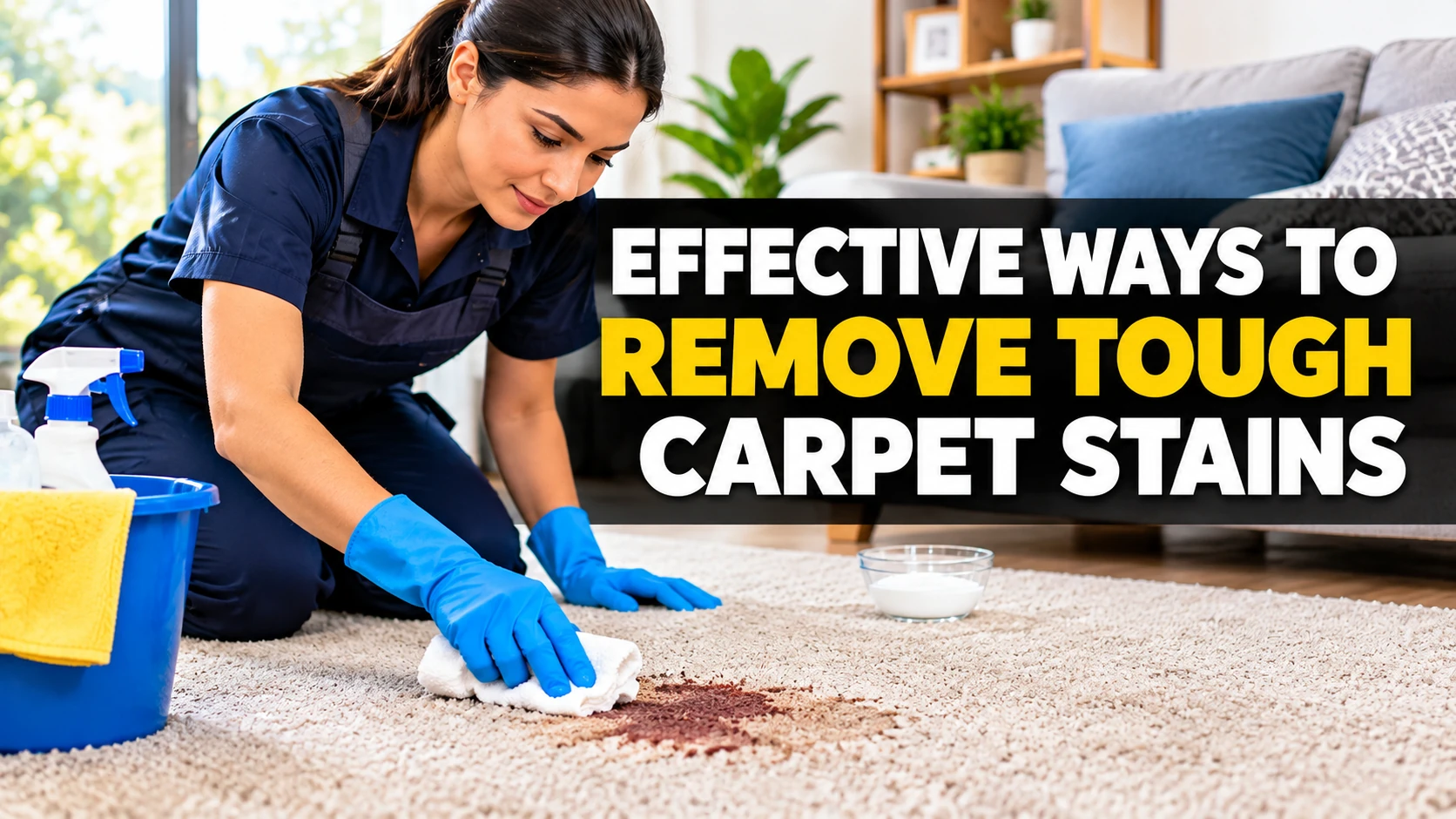
Every home has one: that stubborn patch on the living room carpet that nobody wants to talk about. Maybe it is a coffee ring from a rushed morning, a red wine splash from a family dinner, or a pet accident that keeps coming back. Learning the most effective ways to remove tough carpet stains is the difference between a spotless, fresh carpet and a flooring problem that follows you from one season to the next.
The good news is that most stains are not permanent. With the right carpet stain removal technique, a few household items, and a little patience, you can restore your carpet without damaging its fibers. At Eco Guardians, we clean homes across the city every week, and the same lessons come up again and again: act fast, blot instead of scrubbing, test before you treat, and know when to call for professional help. If your upholstery, rugs, and sofas need attention too, our Furniture Cleaning Dubai team is only a message away.
This guide brings together carpet cleaning tips, homemade carpet cleaning solutions, stain-by-stain instructions, and deep carpet cleaning methods in one place. Use it as a reference whenever a spill happens.
Why You Need Effective Ways to Remove Tough Carpet Stains in Dubai Homes
Carpets act like giant filters. They trap dust, hair, crumbs, and every liquid that lands on them. Because carpet fibers are porous, a spill sinks in within seconds. In a busy household, that means juice, tea, chocolate, and muddy footprints all compete for the same few square meters of flooring.
How a Stain Becomes Permanent
A fresh spill sits on the surface of the carpet pile. Given time, the liquid travels down into the carpet backing and the carpet padding beneath. Once a stain dries, the pigment bonds with the fiber, and a chemical change makes it far harder to lift. This is why a fresh spill takes two minutes to fix, while an old set-in stain can take an afternoon and still leave a shadow behind.
Delay also invites a second problem. Organic spills such as milk, juice, and pet accidents begin to decompose. That creates odors, attracts bacteria, and can lead to mold growth and mildew in the carpet if moisture stays trapped underneath.
Dubai-Specific Challenges
Living in the UAE adds its own pressure. Fine desert dust is carried indoors on shoes and through air conditioning vents, and it works like sandpaper on carpet loops. Hosting culture means large gatherings, Arabic coffee, dates, and saffron-rich dishes around majlis and living room carpets. Many residents rent, so move-out inspections and deposit deductions make every visible stain feel expensive. And in humid months, slow drying raises the risk of musty smells. For heavy-duty jobs and valuable pieces, our Furniture Cleaning Dubai specialists can take over, but for most spills, the methods below will get you there.
The same principles apply wherever you live, whether in Dubai, Pakistan, or anywhere else with busy family homes.
Things to Check Before You Start Removing Carpet Stains
Before you reach for any cleaner, take two minutes to check three things. These quick checks protect your investment and prevent a small stain from becoming a ruined carpet. They are the foundation of every set of tips for removing tough stains from carpet.
Identify Your Carpet Material
The safety of any home method depends heavily on the fiber. Check the manufacturer’s label if you can find it.
| Carpet Fiber | Type | Tolerance for Home Remedies | Special Care |
|---|---|---|---|
| Nylon | Synthetic | High | Durable; handles most mild solutions well |
| Polyester | Synthetic | High | Resists water-based stains; can attract oil-based stains |
| Wool | Natural | Low | Avoid bleach, ammonia, and high pH level cleaners; limit water |
| Silk | Natural | Very low | Professional care recommended; dyes bleed easily |
| Persian rug (antique) | Natural, hand-knotted | Very low | Never use home chemicals; call a specialist |
Synthetic fibers such as nylon and polyester can usually handle household solutions without losing shape or color. Natural fibers such as wool and silk react badly to the wrong pH level or too much water, which can cause shrinking, dye bleeding, and discoloration.
Identify the Stain Type
The cause of the stain decides the treatment. An oil-based stain needs a different approach than a water-based one.
| Stain Category | Examples | Best First Approach |
|---|---|---|
| Water-based | Juice, soda, tea, mud, beer | Blot, then mild detergent and cool water |
| Oil-based | Grease, oil, lipstick, foundation, candle wax | Absorb with cornstarch or baking soda, then dish soap |
| Protein-based | Blood, milk, pet urine, vomit | Cold water and an enzymatic cleaner; never hot water |
| Tannin-based | Coffee, tea, red wine | Blot, then diluted white vinegar or dish soap solution |
| Dye-based | Ink, paint, marker | Rubbing alcohol or a dry-cleaning solvent, used sparingly |
Run a Colorfastness Spot Test
Colorfastness is the ability of your carpet dye to stay put when it meets a cleaning solution. A spot test takes five minutes and can save the whole room.
How to Run a Spot Test
- Choose a hidden area, such as inside a closet or under a heavy sofa.
- Apply a small amount of your cleaning solution with a white cotton cloth.
- Wait a few minutes, then press a clean white cloth against the spot.
- If any color transfers to the cloth, stop immediately and try a gentler option or call professional help.
If the stain is already dry and crusty, remove the excess first with a spoon or a blunt knife before applying any liquid.
Essential Supplies for Carpet Stain Removal at Home
You do not need expensive chemicals. Most of the best tools for carpet stain removal are already in your kitchen. Keep a small emergency kit in a central cupboard so you never waste precious minutes searching when a spill happens. Families who rely on Eco Guardians for regular upholstery cleaning often tell us this one habit saves them the most stress.
Absorbers and tools
- White cotton cloths and paper towels (never colored rags, as dye may transfer)
- A spoon and a blunt knife for scraping solids
- A spray bottle for diluted solutions
- A soft toothbrush or a carpet brush for gentle agitation (avoid a stiff bristle brush on delicate pile)
- Gloves to protect your hands
- A heavy book to hold absorbent paper in place
- A vacuum, ideally a wet and dry vacuum for extraction
Cleaning agents
- White vinegar, a mild acid that helps break down stubborn residues
- Baking soda (bicarbonate of soda) for absorbing moisture and odors
- Cornstarch for absorbing grease
- Table salt, a natural desiccant for fresh liquid spills
- Dish soap, mild detergent, or liquid detergent, which act as a surfactant to lift soil
- Hydrogen peroxide (3%) for light-colored carpets only
- Rubbing alcohol for ink and makeup
- Club soda or soda water for fresh spills
- An enzymatic cleaner for pet and protein-based stains
- A carpet shampoo or dry-cleaning solvent for specific jobs
- A deodorizer and a carpet protectant for prevention
Drying equipment
- Fans, a hairdryer on a cool setting, or an air mover to speed up carpet drying
Having these items ready is one of the most practical tips to clean stains on carpets, because the first few minutes decide the outcome.
The 8-Step Method: Effective Ways to Remove Tough Carpet Stains Every Time
Whatever the stain, the same core method applies. Most people jump straight to scrubbing, which tears the fibers and pushes liquid deeper into the base. Follow this order instead.
- Act fast. Speed is the single biggest factor in how to get stains out of carpet.
- Remove solids. Lift food, mud, or gum with a spoon or a blunt knife. Scrape gently so you do not damage the carpet fibers.
- Blot, do not scrub. Press a dry white cloth or paper towel onto the spill to absorb liquid. Blot don’t scrub is the golden rule of household stain removal.
- Work from the outside in. Start at the edges and move toward the center so the spot does not spread. Avoid circular motions.
- Test your solution. Run the spot test described above.
- Apply sparingly. Spritz or dab the solution; never soak. Overwetting carpet leads to wicking, mold, and delamination.
- Rinse and extract. Blot with plain cool water to remove soap residue, because leftover soap attracts dirt and the spot will return within a week.
- Dry thoroughly. Place a stack of paper towels and a heavy book on the damp spot, then run a fan.
These eight steps are the backbone of every effective carpet cleaning method below. For official fiber-care and cleaning guidance, the Carpet and Rug Institute is a respected industry reference worth bookmarking.
Effective Ways to Remove Tough Carpet Stains by Stain Type
Different spills need different treatments. Use this section as your stain-by-stain handbook for tough carpet stain removal.
1. How to Remove Coffee Stains from Carpet (and Tea Stains)
Coffee and tea are tannin stains, and they are the most frequent household accident. A coffee stain on carpet is easiest to beat when fresh.
Steps
- Blot up as much liquid as possible with a dry cloth.
- Mix one tablespoon of clear liquid dish soap with two cups of lukewarm water.
- Dab the solution onto the stain, working from the outside in.
- If a mark remains, mix one part white vinegar with two parts water to help break down the tannins. Dab, then rinse with plain water.
- Blot dry and let the area air-dry.
A tea stain on carpet responds to the same method. In Dubai homes, Arabic coffee and karak chai spills are common, and the sooner you blot, the less saffron or cardamom pigment will set.
2. How to Remove Red Wine Stains from Carpet
A red wine spill on carpet looks dramatic, but it is very treatable when you act quickly.
- Blot gently; do not rub.
- Cover the stain with a mound of table salt or pour a little club soda over it. Salt pulls liquid upward, so leave it until it feels dry, then vacuum.
- For remaining color on light carpets, mix equal parts 3% hydrogen peroxide and dish soap. Test first, apply for a few minutes, then blot with a clean cloth.
- Rinse with cool water and blot dry.
White wine and beer are lighter, but the same blot-and-rinse routine works. Some people pour white wine over a fresh red wine spill to dilute it, but plain club soda is the safer choice.
3. How to Remove Pet Stains from Carpet (and Urine Stains)
Pet accidents need a two-step approach because they combine a liquid stain with proteins and odor.
How to Remove Urine Stains from Carpet
- Blot up as much urine as possible, pressing down with fresh paper towels.
- Rinse lightly with cool water and blot again.
- Apply an enzymatic cleaner and follow the label. Enzymatic pet stain cleaner breaks down the proteins and urine residue that cause odors.
- Let the area dry fully, then sprinkle baking soda, leave it for several hours, and vacuum.
Avoid ammonia-based products. Ammonia smells like urine to animals and may encourage them to return to the same spot. If the pet urine odor in the carpet persists after the area dries, the liquid has probably reached the padding, and that calls for a professional deep clean.
4. How to Remove Blood Stains from Carpet
Blood is protein-based, so heat is your enemy. A blood stain on carpet must be treated with cold water only.
- Blot with a cloth dampened in cold water.
- Apply a few drops of dish soap and dab gently.
- On light-colored carpets, a small amount of 3% hydrogen peroxide can lift stubborn marks. Test first, since it can bleach dyes.
- Rinse and blot dry.
5. How to Remove Grease Stains from Carpet
Grease and oil do not mix with water, so you need an absorbent first. This is where cornstarch for grease earns its place.
- Scrape off any excess with a spoon.
- Sprinkle a generous layer of cornstarch or baking soda and let it sit for several hours to draw the oil out.
- Vacuum the powder away.
- Apply a small amount of clear dish soap, work it in gently, and blot with a damp cloth.
- For heavy marks, use a dry-cleaning solvent sparingly after a spot test.
6. How to Remove Ink Stains from Carpet
- Dampen a white cloth with a little rubbing alcohol.
- Blot very gently, starting at the outer edge and moving inward.
- Change to a clean section of cloth often so the ink does not transfer back.
- Do not pour alcohol directly onto the carpet, because it can damage the latex backing.
Lipstick and foundation respond to the same technique, or to a dry-cleaning solvent. Be careful not to over-saturate the area, or you will turn a small mark into a much larger smudge.
7. How to Remove Mud Stains from Carpet
The trick with mud is patience. Fresh mud smears; dry mud crumbles.
- Let the mud dry completely.
- Break up the clumps and vacuum thoroughly.
- Dab the remaining mark with a dish soap and water solution, then blot with a damp cloth.
- Rinse lightly and dry.
The same dry-first approach works for grass stains, although grass may also need a little hydrogen peroxide on light carpets.
8. How to Remove Chocolate Stains from Carpet
Chocolate, hot chocolate, and ice cream combine fat, sugar, and pigment.
- Scrape off solids and let any melted residue cool.
- Blot with cool water and a few drops of dish soap.
- Rinse and blot. If a greasy ring remains, treat it like a grease stain with cornstarch.
Pasta sauce and gravy follow a similar pattern: scrape, blot, treat with dish soap, and finish with a plain water rinse. For orange-red sauces, a vinegar solution helps lift the color.
9. How to Remove Paint from Carpet
Paint depends entirely on its type and how long it has been there.
- Fresh water-based paint: blot immediately with a damp cloth, then use a mild detergent solution.
- Oil-based or dried paint: do not improvise with strong solvents, as they can dissolve latex backing and ruin the dye. Call a professional.
10. How to Remove Candle Wax from Carpet
- Harden the wax by placing an ice pack over the area for a few minutes.
- Lift away as much as possible with a blunt knife.
- Place a paper towel over the remainder, press with a warm (not hot) iron on a low setting, and replace the towel as it absorbs wax. Avoid this method on delicate synthetic fibers that can melt.
- Dab any colored residue with rubbing alcohol.
11. How to Get Gum Out of Carpet
- Freeze the gum with an ice pack until it turns hard.
- Use a blunt knife to lift and chip it away.
- Dab residue with a little dish soap solution or rubbing alcohol on a cloth.
- Vacuum loose fragments and rinse lightly.
12. Juice, Soda, Milk, and Everyday Food Spills
Sticky drinks are common in homes with children. Blot first, then use a dish soap and water solution. Because sugar leaves a tacky film that attracts dirt, rinse thoroughly with plain water. For milk, an enzymatic cleaner helps break down the proteins and prevents sour smells.
Natural and DIY Carpet Stain Remover Recipes That Work
Many families prefer to remove carpet stains naturally, especially when children and pets spend hours on the floor. A natural carpet stain remover can be as powerful as store-bought products when used correctly, and a homemade carpet cleaning solution costs a fraction of the price.
| DIY Recipe | Ingredients | Best For | Avoid On |
|---|---|---|---|
| Dish soap and water solution | 1 tbsp clear dish soap + 2 cups lukewarm water | Coffee, tea, juice, mud, everyday spills | Wool and silk in large quantities |
| Vinegar solution | 1 part white vinegar + 2 parts water | Tannins, pet odors, soap residue | Natural stone floors nearby; do not mix with bleach |
| Baking soda and vinegar cleaner | Baking soda + equal parts vinegar and water | General grime, odors | Delicate natural fibers |
| Salt for wet spills | Table salt | Fresh red wine, juice | Dry stains |
| Hydrogen peroxide and baking soda | 3% hydrogen peroxide + baking soda | Blood, organic stains | Dark or dyed carpets |
| Club soda stain remover | Plain club soda | Fresh spills of any kind | Old, dried stains |
| Cornstarch paste | Cornstarch + a little water | Grease and oil | Heavy residue left behind |
The Baking Soda and Vinegar Carpet Cleaning Method
This classic duo is one of the most popular carpet stain cleaning hacks. Sprinkle baking soda over the stain, then lightly spritz a mix of equal parts white vinegar and water on top. The fizzing action helps loosen particles trapped in the pile. Let the mixture dry into a paste, then vacuum it up. If you want an even gentler version, use baking soda on its own: cover the stain, lay a damp (not soaking) cloth on top for an hour, then vacuum.
How Long to Leave Baking Soda on Carpet
For odors and moisture, leave baking soda on the carpet for at least six hours or overnight. For a quick stain treatment with a damp cloth, one hour is usually enough. Repeat the process if the mark is still visible.
Can Vinegar Damage Carpet? Is Baking Soda Safe?
Diluted white vinegar is generally safe for synthetic fibers and is a mild acid that helps with residue. However, avoid strong or undiluted vinegar on wool and silk, and always spot test first. Baking soda is safe for most carpets because it is a mild alkali that absorbs odors without leaving a harsh residue, as long as you vacuum it up thoroughly.
Can You Use Bleach on Carpet?
Bleach is a powerful tool, but it is risky. It can cause permanent discoloration, damage natural fibers, and release toxic fumes. For most homes, 3% hydrogen peroxide on light-colored carpets is a safer way to brighten stains. Never mix bleach with ammonia or vinegar, because the combination creates dangerous fumes. If you ever consider bleach, test a hidden area, ventilate the room, and wear gloves. When in doubt, ask a professional.
How to Remove Old Carpet Stains and Set-In Stains
Sometimes a spill gets forgotten. Knowing how to remove old carpet stains is a skill in itself, because a dried stain has had time to bond with the fiber.
Step-by-Step Method for Dried, Deep-Seated Stains
- Loosen the residue. Scrape gently with a blunt knife and vacuum the loose flakes.
- Rehydrate. Lightly mist the stain with warm water or a mild detergent solution to soften it.
- Apply baking soda. Sprinkle baking soda over the area, cover with a damp white cloth, and leave for an hour or more.
- Treat with the right agent. Use dish soap solution for water-based stains, vinegar for tannins, and an enzymatic cleaner for protein-based stains.
- Blot and repeat. Patience matters here. It can take several rounds to lift an old stain.
- Rinse and dry. Extract with a damp cloth or wet and dry vacuum, then use fans to speed up drying.
If a stain has been there for months, home remedies likely will not remove it completely. Certain stains, such as bleach spots, some permanent dyes, and marker pigment, cause irreversible color change and need professional repair or patching.
Tough Carpet Stain Removal with a Carpet Cleaner Machine
For stubborn spots spread across a large area, a carpet cleaner machine or a rented carpet hire unit makes light work of the job. Pre-treat with shampoo, brush it in gently with a carpet brush, then extract. Follow the machine’s safety instructions and never use more solution than recommended.
Deep Carpet Cleaning Methods Explained
When spot treatment is not enough, you move on to deep carpet cleaning methods. These are the effective carpet cleaning methods that professionals rely on.
| Method | How It Works | Best For | Notes |
|---|---|---|---|
| Steam cleaning / hot water extraction | Hot water and cleaning solution are injected and vacuumed out | Heavily soiled synthetic carpets | Needs thorough drying; not for delicate fibers |
| Carpet shampooing | Foaming detergent is worked into the pile and extracted | Visible traffic-lane dirt | Soap residue must be fully rinsed |
| Dry-cleaning solvent / dry compound | Low-moisture product agitated and vacuumed | Delicate carpets; fast drying | Less effective on heavy staining |
| Wet and dry vacuum extraction | Lifts liquid from the carpet and padding | Spills and pet accidents | Good first step before treating |
| Ozone treatment | Ozone generators neutralize odor molecules | Smoke, pet, and musty odors | Specialist equipment only |
| Industrial steam cleaners | High-powered professional extraction | Large or commercial areas | Operated by trained technicians |
Hot water extraction is often called steam cleaning, and it is the best deep clean carpet option for general dirt. Remember though that hot water sets many stains if used too early, so treat stains first and extract second.
If you want to know how often carpets should be professionally cleaned, a good general rule is every 12 months for typical homes, and every 6 months for homes with pets, children, or heavy foot traffic.
Carpet Odor and Stain Removal: Eliminate Smells After Cleaning
Sometimes the stain is gone but the smell remains. Odor molecules can hide in the carpet padding and the base of the pile, so carpet odor and stain removal need to go hand in hand.
How to Eliminate Carpet Odors After Stain Removal
- Sprinkle baking soda across the whole carpet, leave it overnight, and vacuum.
- Use an enzymatic cleaner for pet-related or milk-related smells.
- Consider a deodorizer designed for carpets as part of your carpet freshening routine.
- For persistent or smoke-related odors, professionals can use ozone generators or industrial steam cleaners to neutralize the air and fibers.
Hard Water, Minerals, and Lingering Smells
If your tap water has a high mineral content, you may wonder what hard water is and why it matters. Hard water leaves mineral deposits that can trap odors and make fibers feel stiff. A diluted vinegar rinse helps dissolve them, which is useful when you rinse stains with water at home.
How to Stop a Musty Carpet Smell and Mold
A musty carpet smell is usually a sign of overwetting. To prevent it:
- Always use the minimum amount of liquid.
- Speed up carpet drying with fans, an air mover, or a hairdryer on a cool setting.
- Run the air conditioner to reduce humidity, especially during summer.
- Lift furniture off damp areas, including the spot under the sofa, which often stays damp longest.
If you spot mold or mildew in the carpet, stop DIY cleaning and call specialists.
Carpet Stain Removal Mistakes to Avoid
Even with the right products, a few mistakes can make a stain permanent. Avoiding them is half of effective carpet stain removal.
- Using hot water: heat sets most stains, especially proteins. Always use a cold water wash first.
- Scrubbing hard: this frays the carpet fibers and leaves a fuzzy look. Never use a stiff bristle brush on pile carpet.
- Using too much detergent: leftover soap acts as a magnet for dirt, so the spot turns dark within a week.
- Over-wetting: water that soaks into the backing can cause delamination, where the backing separates from the fibers, and it invites mold growth.
- Mixing chemicals: never combine bleach with ammonia or vinegar, because the fumes are toxic.
- Walking away while damp: this causes wicking, where the stain travels back up the fiber as it dries.
- Skipping the spot test: this is the quickest route to dye bleeding and permanent damage.
- Using circular motions: they spread the stain into a larger area.
Carpet Stain Removal Tips for Homes with Kids and Pets
Safety matters as much as results when little ones and animals spend time on the floor. Choose non-toxic cleaners wherever possible, keep chemicals stored away, and make sure the area is fully rinsed and dry before children or pets return to it. Products that are safe for children and pets, such as club soda, baking soda, and a dish soap and water solution, handle most day-to-day mess.
- Keep your emergency kit in a central, high shelf location.
- Vacuum at least twice a week to remove the dry grit that wears down carpet fibers.
- Pick up dropped food immediately.
- Keep pet nails trimmed to prevent snagging carpet loops.
- Wear gloves and ventilate the room whenever you use anything stronger than dish soap.
- Always follow the safety instructions on every product label.
How to Protect Your Carpet and Prevent Future Stains
Prevention is the cheapest of all effective ways to remove tough carpet stains, because it means you never have to remove them at all.
Carpet Maintenance Routine
- Apply a carpet protectant. It creates a barrier that gives you more time to react to spills.
- Place doormats at every entrance and adopt a no-shoes policy to cut down dust and mud.
- Rotate furniture occasionally to even out wear.
- Schedule a professional deep clean once or twice a year to extend the longevity of your carpet.
Keep a Spill Response Plan
Write the 8-step method above on a card and store it with your kit. When a spill happens, anyone in the household can follow it and protect your carpet.
When to Avoid DIY Carpet Stain Removal and Call a Professional
DIY carpet stain removal is excellent for everyday spills, but it has limits. There are times when trying to remove stains at home does more harm than good.
- You own an antique Persian rug, a silk rug, or any high-value piece.
- The stain is from a chemical spill, bleach, or drain cleaner.
- A pet odor keeps returning, which suggests the padding is contaminated.
- The stain has spread, the carpet is changing texture, or you see dye bleeding.
- The carpet has been wet for more than a day and smells musty.
- You are preparing for a move-out inspection or a large gathering, and time is short.
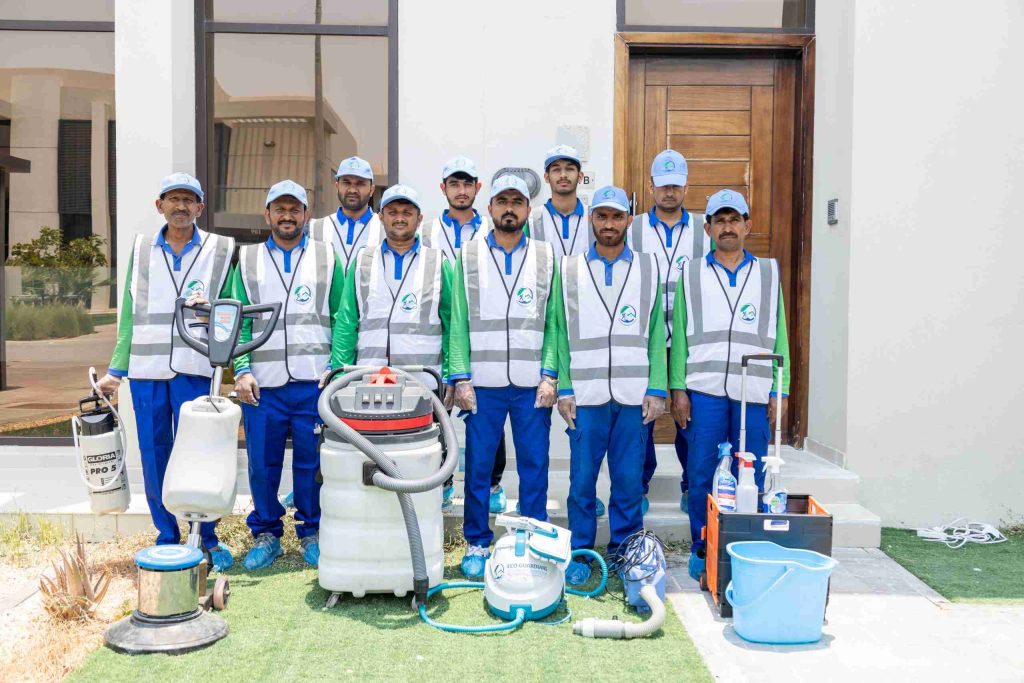
In those situations, professional carpet cleaning is the safest route. Professionals use advanced extraction equipment, controlled drying, and fiber-appropriate products that go well beyond a home vacuum and a cloth. At Eco Guardians, our cleaning specialists treat stubborn stains while preserving the integrity of the fibers, so your carpets look and feel fresh again. Check pricing, ask questions, and book at your convenience: simply contact us and we will recommend the right treatment for your carpet type.
Don’t Forget Your Sofa, Mattress, and Soft Furniture
Carpets rarely suffer alone. The same spills that stain your floor often reach your sofa, cushions, and mattress too, and fabric stain removal on upholstery needs even more care than flooring. If you want to understand why expert upholstery cleaning is worth it, read our guide on the Benefits of Professional Sofa Cleaning for Your Home. It explains how professional treatment removes embedded dirt, allergens, and odors that regular vacuuming cannot reach.
A few related home cleaning tips are worth keeping in mind. If you are pre-treating a stain with laundry detergent, it helps to know the difference between laundry powder and liquid, since liquid dissolves more evenly in cool water. After cleaning removable covers, choosing between line dry and tumble dry matters: air drying is gentler on fabric, while tumble drying can shrink it. For deep mattress care, treat spots with a light baking soda and dish soap solution, then let the surface dry completely before remaking the bed. And if your home has a hardwood floor next to the carpet, wipe up any wet cleaning solution right away to protect the flooring.
FAQ’s
What is the best way to remove tough stains from carpet?
Blot the stain with a clean cloth, apply a carpet-safe stain remover, and gently dab the area. Rinse as directed and let the carpet dry completely. Avoid rubbing, as it can spread the stain.
How do you remove old, dried stains from carpet?
Gently loosen dried residue and vacuum the area. Apply a suitable carpet cleaner according to its instructions, blot gently, and repeat if necessary. Always test the cleaner on a hidden area first.
What household products can remove carpet stains?
Mild dish soap and water can help remove some everyday stains. Baking soda may help absorb odors, while diluted white vinegar may work on certain stains. Test products in an inconspicuous area before use.
How do you remove pet urine stains from carpet?
Blot up as much urine as possible with a clean cloth. Apply a carpet-compatible enzymatic cleaner according to its label to help break down urine residues and odors. Allow the area to dry completely.
How do you remove coffee stains from carpet?
Blot the coffee immediately with a clean, absorbent cloth. Dab the area with a carpet-safe cleaning solution suitable for beverage stains, then remove residue as directed. Avoid rubbing or soaking the carpet.
What is the best carpet stain remover for stubborn stains?
The best carpet stain remover depends on the type of stain and carpet material. Enzymatic cleaners work well for many pet stains, while specialized products may be better for grease, coffee, or ink. Always follow the product instructions and test first.
Conclusion:
The most effective ways to remove tough carpet stains all come back to the same habits: act quickly, identify the stain, test your solution, blot instead of scrubbing, rinse well, and dry completely. With these steps and a small kit of household items, you can handle most daily accidents before they become permanent, and keep your home looking pristine. Remember that vinegar, baking soda, dish soap, and club soda go a long way, but delicate fibers, old deep-seated stains, and lingering odors deserve expert hands.
When a stain refuses to budge, Eco Guardians is ready to help. Explore our Furniture Cleaning Dubai services, and let our experts revive your carpets, rugs, and upholstery so you can enjoy a spotless, healthy home.



This Post Has 20 Comments
What is the best way to remove tough stains from carpet?
Blot the stain with a clean cloth, apply a carpet-safe cleaner, and gently dab. Avoid rubbing to prevent spreading the stain.
How do you remove old, dried stains from carpet?
Vacuum loose residue, apply a suitable carpet cleaner, and blot gently. Repeat if necessary and test the cleaner first.
What household products can remove carpet stains?
Mild dish soap and water can remove some stains. Baking soda may help absorb odors, while diluted vinegar may work on certain stains.
How do you remove pet urine stains and odors from carpet?
Blot up the urine and apply a carpet-safe enzymatic cleaner according to its instructions. Let the area dry completely.
How do you remove coffee and red wine stains from carpet?
Blot the spill immediately, then use a carpet-safe cleaner suitable for beverage stains. Avoid rubbing or soaking the carpet.
What is the best carpet stain remover for stubborn stains?
It depends on the stain and carpet material. Choose a cleaner specifically formulated for the stain type and test it in a hidden area first.
Can baking soda and vinegar remove tough carpet stains?
They may help with some minor stains and odors, but they are not effective for every stain. Use a suitable carpet cleaner for stubborn marks.
How do you remove grease and oil stains from carpet?
Blot excess grease, then apply a carpet-safe cleaner designed for oily stains. Follow the product instructions and avoid rubbing.
How can you remove carpet stains without damaging the fibers?
Test the cleaner in a hidden spot, blot instead of rubbing, and avoid excessive water or harsh chemicals. Follow the carpet manufacturer’s care instructions.
When should you hire a professional carpet cleaning service?
Hire a professional if stains persist, odors return, or the stain reaches the carpet padding. The best treatment depends on the carpet and stain type.
Comments are closed.